VISUAL DESIGN
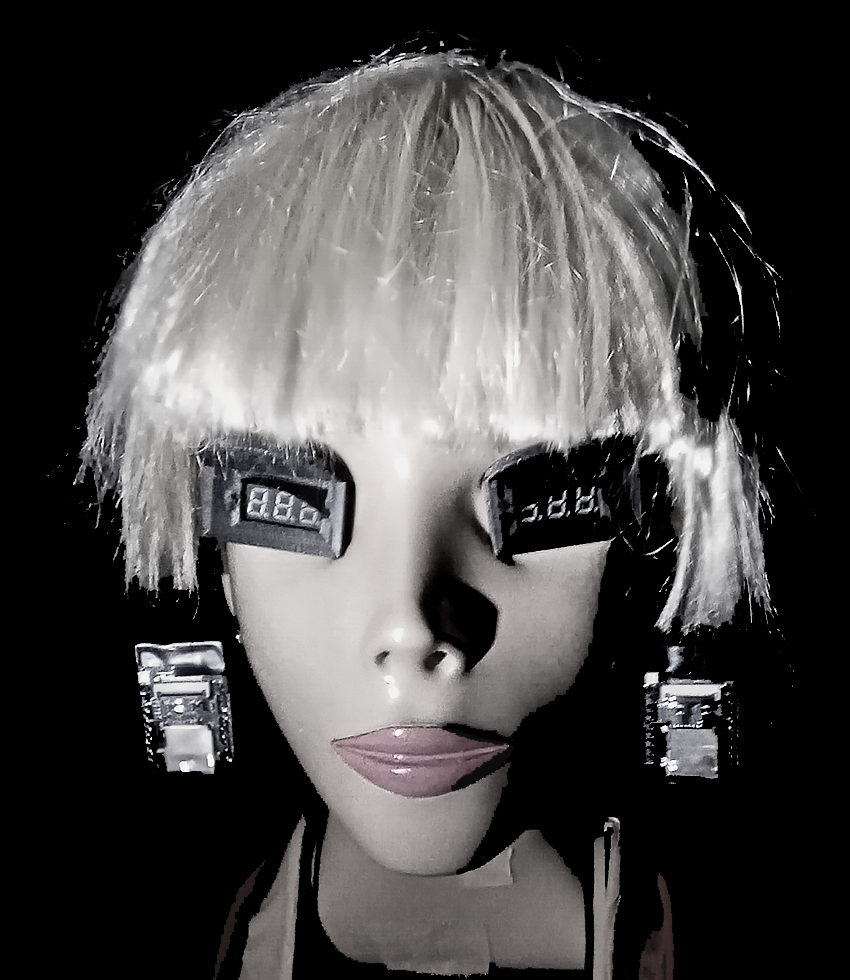
Designed to exist in the human world.
A Different Kind
of Artificial Body
MA-UNI was not conceived simply as a machine that performs robotic tasks.
Its physical architecture explores a different relationship between mechanical structure, human proportions, external appearance and movement.
The result is intended to occupy an unusual space between robotics, industrial design, character design and physical artificial presence.
This distinction creates possibilities that extend beyond conventional robotics development.
Design Is Not
Decoration
In many robotic systems, appearance is developed after the mechanical architecture has already been established.
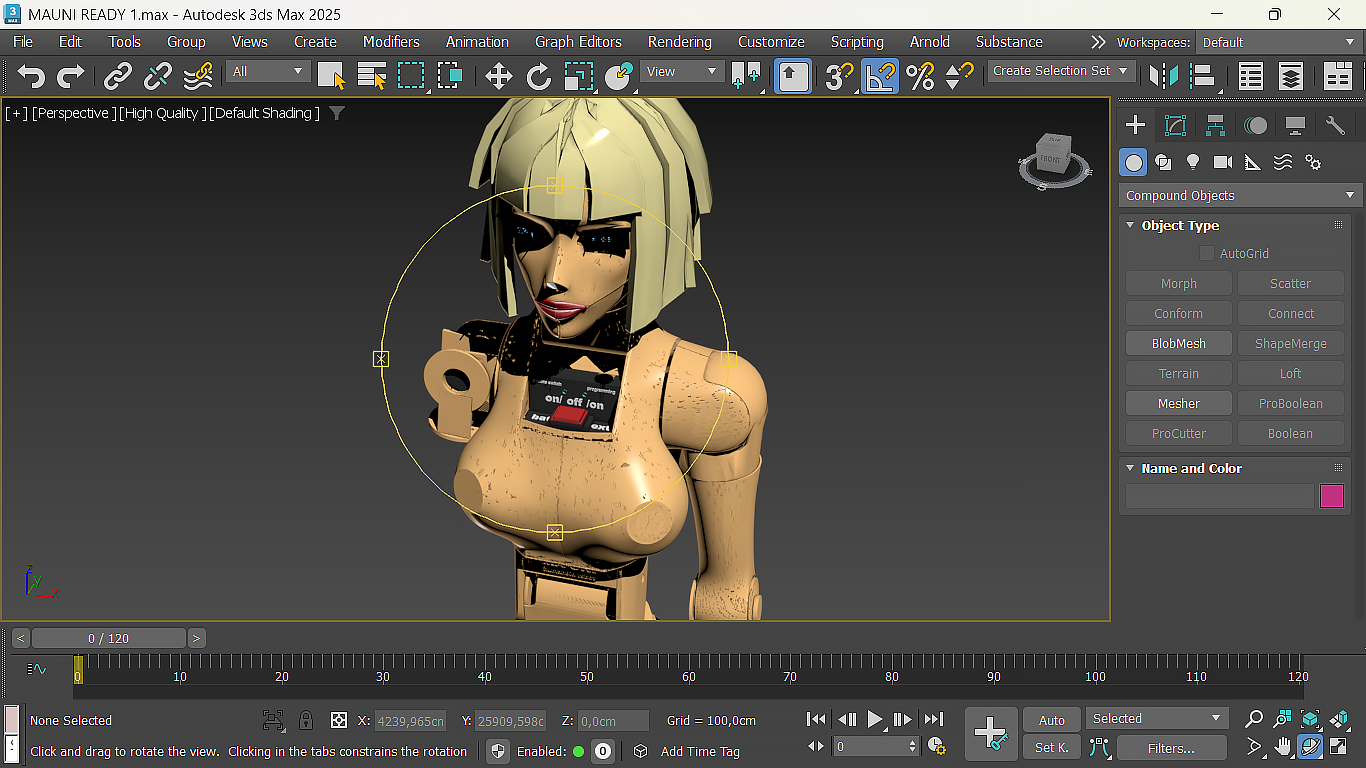
MA-UNI explores the opposite direction: the physical body, mechanical architecture and visual identity can be developed as a single design problem.
Human-scale proportions and recognizable physical relationships.
Mechanical systems organized within the overall body architecture.
Physical articulation becomes part of the visual language of the body.
A recognizable artificial presence rather than an anonymous machine.
Between Machine
and Character
MA-UNI deliberately occupies an area that is difficult to define using conventional categories.
It can be understood as a humanoid robot, but also as a physical character platform, an interactive figure or a programmable artificial performer.
This opens the possibility of developing different external identities without necessarily changing the fundamental mechanical platform.
Design Integrity
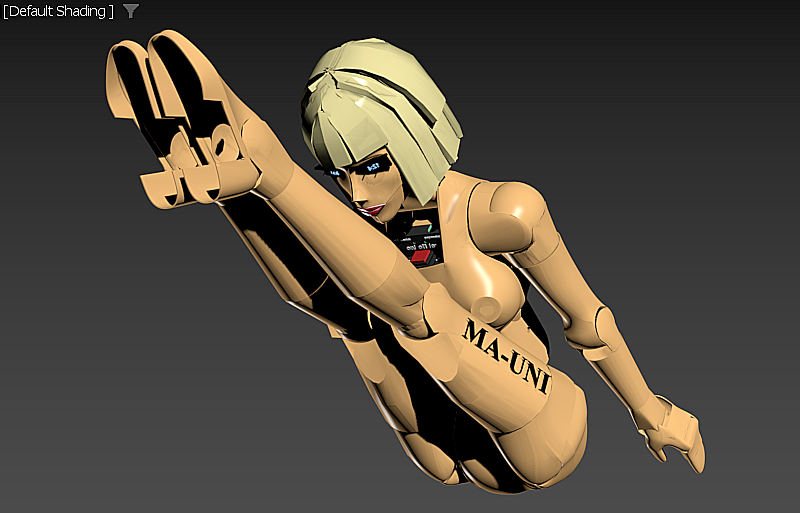
One of the most significant advantages of the MA-UNI body is its ability to preserve design integrity and smooth aesthetic transitions between forms, even in the most extreme body positions and configurations.
This becomes particularly evident in movements such as ballet steps and other highly articulated poses, where the body must transition through complex and unconventional configurations while maintaining visual coherence.
In conventional humanoid robots, such extreme positions often reveal unnatural or disproportionate relationships between the limbs and other body segments. The proportions can change visually at the limits of articulation, exposing the mechanical nature of the construction.
The “Golden Ratio”
of a humanoid
MA-UNI seeks its own “Golden Ratio” between machine, mechanics, technology, design and human presence.
Here, “Golden Ratio” is not a mathematical specification. It is a design principle describing the search for a harmonious and effective relationship between multiple characteristics that influence one another.
What the physical machine can actually perform, within the limits of its architecture.
The relationship between structure, movement, actuation, weight, dimensions and functionality.
Contemporary computing, control, sensing, software and future embodied intelligence.
A body and product designed for existence in a human environment rather than in isolation.
The way the machine occupies space, moves, appears and is perceived as a physical entity.
The qualities through which a human can perceive the robot as a coherent technological presence.
The objective is a coherent relationship between dimensions — so that improving one characteristic does not automatically destroy the value of another.
Beyond the
Traditional Humanoid Design
The human-scale proportions and articulated physical structure of MA-UNI also suggest a possible relationship with fashion, display and spatial design.
A future development could transform the platform from a static display figure into an articulated, responsive and programmable physical presence.
This direction could potentially connect robotics with fashion presentation, retail environments, exhibitions, museums, entertainment venues and experiential design.